Customised price-quality path application
We have applied to the Commerce Commission for a customised price-quality path so that we can continue providing the safe, reliable and resilient network our customers and community depend on.
On 9 June 2026, we submitted a customised price-quality path application (CPP) application to the Commerce Commission for the five-year period 1 April 2027 to 31 March 2032. This application seeks regulatory approval for a programme of investment to ensure we can continue to provide the safe, reliable and resilient network our customers depend on.
The Commerce Commission will check our application for compliance and then thoroughly assess our application and seek further customer and stakeholder feedback before setting our customised price-quality path. This path will determine the revenue we can earn and the service quality we must provide over the five-year CPP period starting 1 April 2027.

What is a CPP?
Like most electricity distribution businesses in New Zealand, the Commerce Commission regulates the revenue we can earn from lines charges, and the service quality we provide, through a default price-quality path (DPP). This determines the total allowable revenue that we can charge over a five-year period, as well as the level of service that we must provide. This is a one-size-fits-all approach for setting revenue allowances.
Our current circumstances mean that this path does not provide sufficient revenue to fund the investment our network and customers need, and to maintain the service levels our community expects. A customised price-quality path allows electricity distributors, like Orion, to apply to the Commerce Commission for different revenue limits to meet the specific needs of their customers and network.
We’ve applied for a customised path for the five-year period from 1 April 2027 to 31 March 2032, which covers the 2028 to 2032 financial years. The Commerce Commission will now look closely at Orion’s proposal to decide if it's prudent and efficient and in the best long-term interests of our customers.
Why we're applying for a CPP
We need to invest more in our electricity network to continue providing the safe, reliable and resilient service our customers and community depend on. This investment is needed now, as we face increasing pressure from ageing assets, population and demand growth, rising expectations for resilience, new technologies, and the need to improve how we operate and deliver services efficiently. Getting this investment right is important. It needs to be carefully planned to ensure it is both prudent and efficient, balancing cost with the level of service our customers expect. Remaining on a default pathway and delaying investment would increase the risk of service impacts in the future, such as outages becoming more frequent or lasting longer, and potentially higher costs in the long term. | CPP strategic priorities 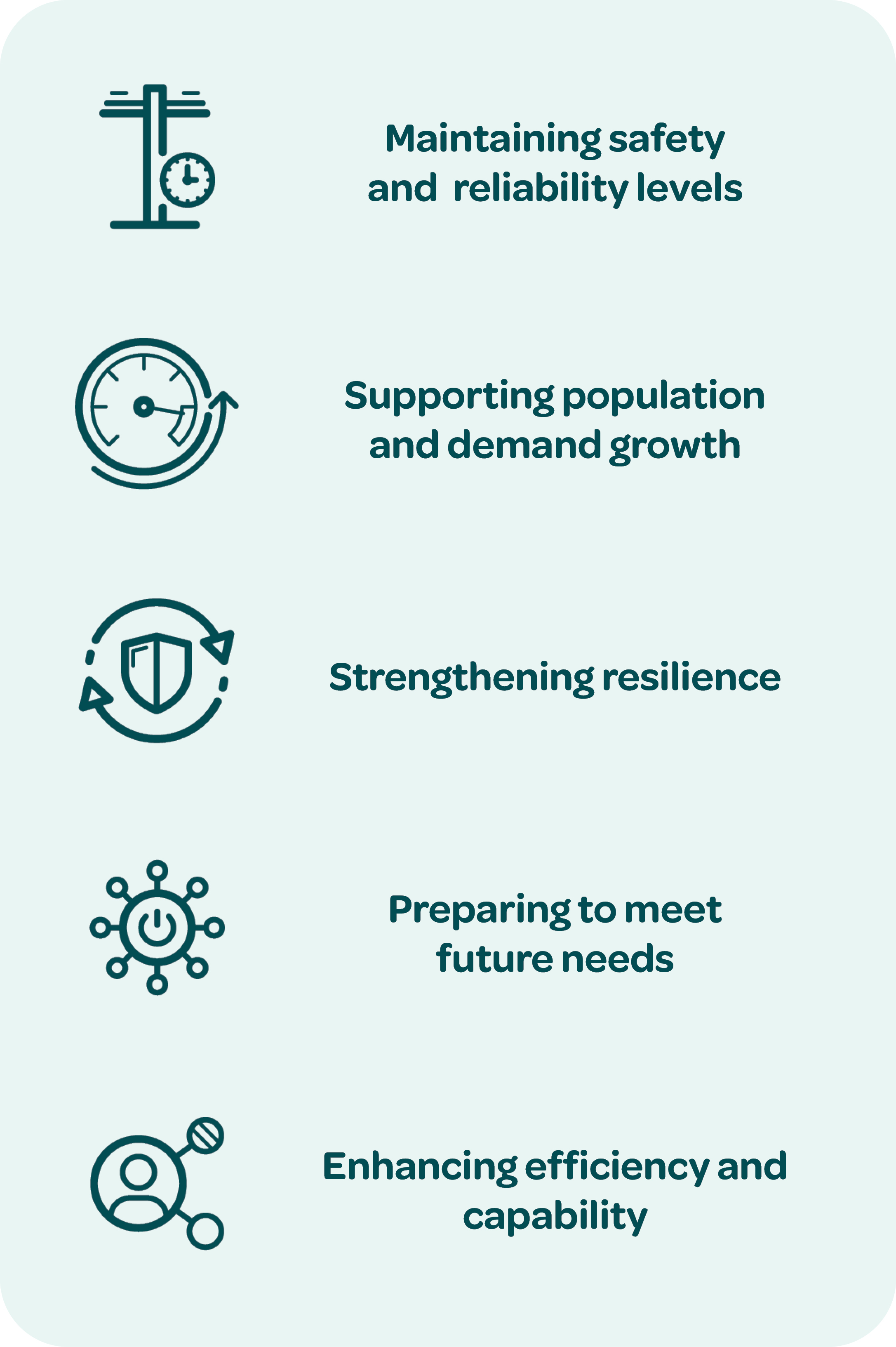 |
Our proposed investment plan
Over the five-year CPP period, we have proposed a total investment of $1.51 billion, comprising $932 million in capital expenditure and $578 million in operating expenditure. This level of investment is around $260 million above our allowances under the current default path (DPP4) and expected DPP5 levels. Note, the Commerce Commission will determine our final investment plan after evaluating our CPP application.
Our capital expenditure focuses on increased asset renewals, targeted resilience programmes, and network upgrades to keep pace with forecast growth in population and peak demand. The increase in operating expenditure will support increased maintenance activity, expanded vegetation management, and enhanced capability to manage a more complex and dynamic electricity network. These investments are focused on maintaining service levels while positioning the network to meet future needs.
You can find out more about our CPP investment plan in our 2026 Asset Management Plan and
CPP Main Proposal - Click here
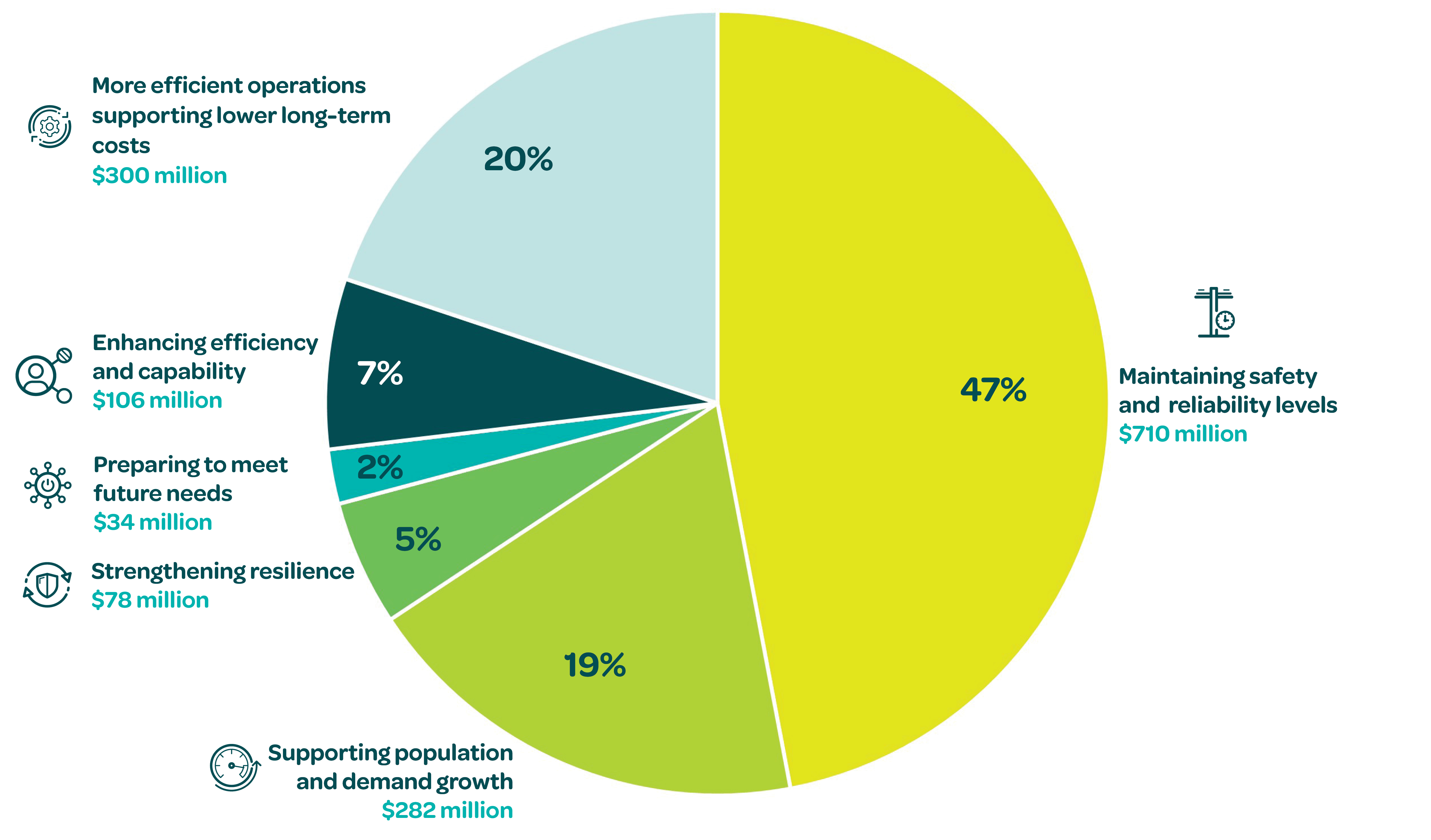
CPP proposed investment plan - spend areas
What this means for customers
Customers can expect increased investment including sustained levels of safety and reliability, a more resilient network, increased network capacity to support growth, and a network that is future-fit and continues to support the decarbonisation of our region.
A customised price-quality path will mean an increase in lines charges. Once the Commerce Commission has determined our final investment plan, we can then set the lines charges for the CPP period. However, we expect that the lines charge increase for typical residential or small business customers will be on average around $4 per month higher under a customised price-quality path.
What our cutomers told us
Customer feedback has been central to shaping our CPP proposal and investment plan. Between August 2024 and April 2026, we engaged with customers, stakeholders and our community to understand what matters most. You told us you expect a network that is safe, reliable and resilient, able to support growth and prepared for the future. You also highlighted that affordability is important, and that any investment should be prudent, efficient and clearly justified. You can find out more about our consultation and engagment programme here, and what we heard from customers and stakeholders in our CPP Engagement Report. | 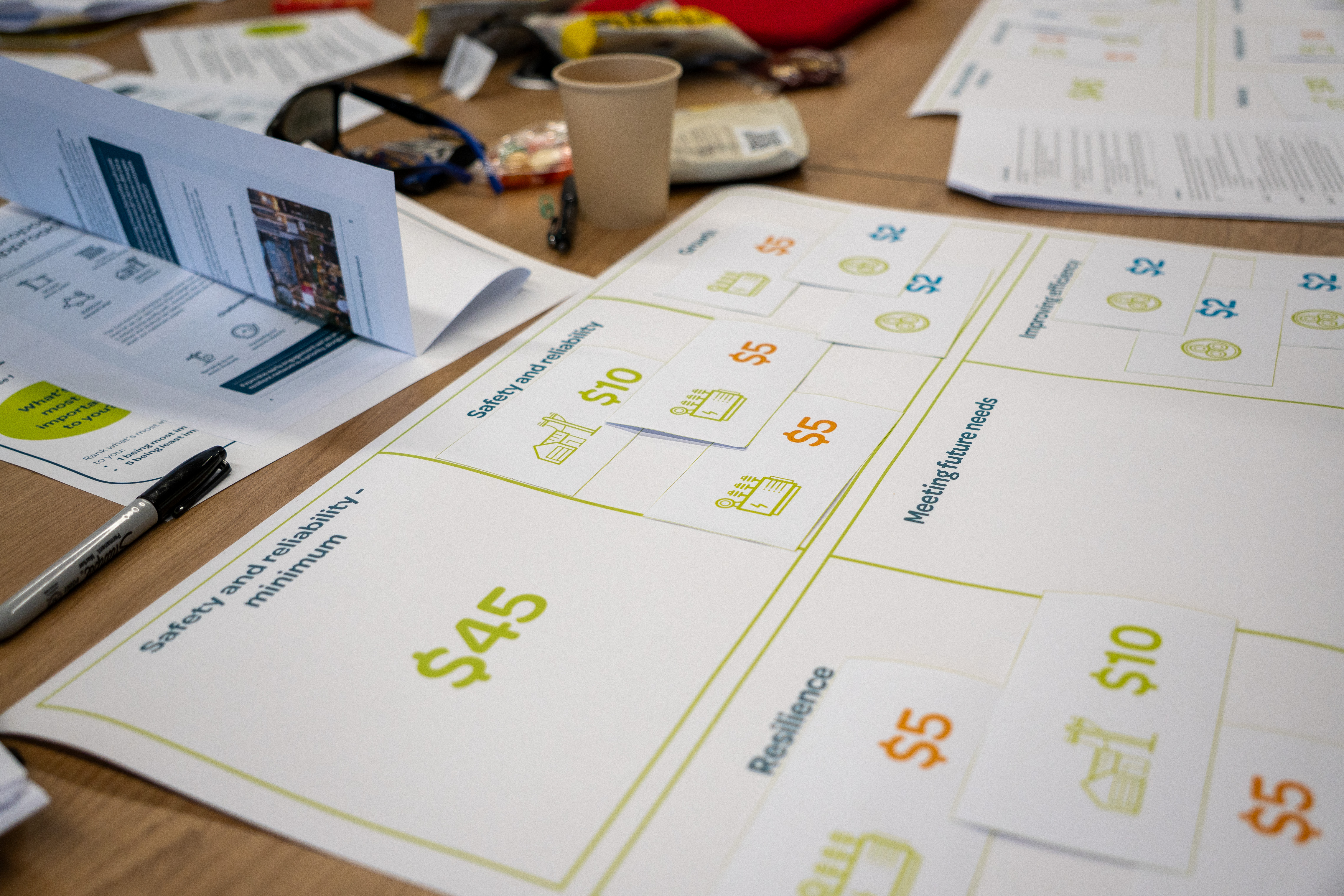 |
Next steps
We submitted our CPP application to the Commerce Commission on 9 June 2026. They will now assess our application for compliance and then thoroughly evaluate it, seek feedback from customers and stakeholders, and then determine our final investment plan.
In setting our customised price-quality path, the Commission will decide whether the investment plan detailed in our CPP application is prudent, efficient and in the best interests of customers. The customised path they set may differ from our application. It will take effect from 1 April 2027.

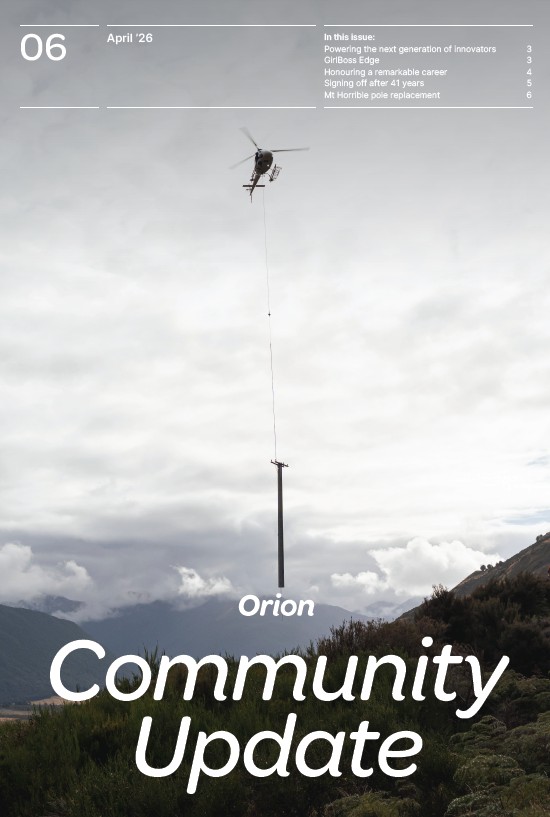
Read our Community Update newsletters. These cover how we’re planning to invest in the future of the network through a customised price-quality path.
Community Update November 2025